
If you’ve ever thought, “I want to be a tree when I die” look no further. Here is some information to keep in mind while thinking about an eco-friendly end of life decision.
Working in green burial, we hear the phrase “I want to be a tree when I die” all the time. It’s a beautiful sentiment. To return to the earth that nourished us while we were alive so we can in turn, nourish it, is an ethical act that impacts the earth for years to come. For many, becoming a tree after they die is a way to give back to the earth, and for others it’s a way of living out of their beliefs to protect and steward the earth. It’s an honorable commitment, and one that more and more people are making for themselves when considering end of life decisions.
But what does this end of life wish look like in practice? How can you become a tree after you die? Below we’ve gathered information on a few options, so you can be completely informed when thinking about this desire in the concept of green burials.
Conservation Burial

Conservation burial is the most eco-friendly way to “become a tree” when you die. Conservation burial is natural burial that goes a step further to conserve and save land. This model of green burial calls for a cemetery’s adherence to a number of protocols enforced by a conservation organization (in Larkspur’s case, The Nature Conservancy) to ensure that a piece of land is protected from any kinds of activities that may affect the “conservation values of the land.” Conservation burial uses no embalming or entombment, and does not bury anything that isn’t compostable or would break down in a home garden.
Bodies are returned to the earth in a natural cloth shroud or a casket made of wicker seagrass or plain pine. The natural caskets and shrouds used in green burial allow for more oxygen to reach the body, which actively helps decomposition happen the way nature intended. Within a year most of the body is returned as nutrients to the trees, plants, and flowers of the land.
When people choose to be buried at Larkspur for themselves or their loved ones, they aren’t just becoming a tree—they’re becoming the whole forest. Those buried at Larkspur become old oak trees that grow up tall because they’re allowed enough room to grow. They become the iconic white flower of the Dogwood at the edge of the meadow, or the yellow flowering Partridge Pea as it peeks its small head out of the thicket to greet us.
The people laid to rest at Larkspur become a tree forever, not just until a house is sold and developers cut it down. We also give families and loved ones of those buried at Larkspur the opportunity to purchase a memorial planting (usually a tree, wildflowers, or another native species) that they can ritually plant on that person’s grave in the spring or fall. This new plant gives people an opportunity to watch their loved one’s resting place grow and enhance the land year after year when they come to visit. If you’re someone who wishes to be a tree when you die, we think conservation burial might be a pretty great choice for you.
Tree Pod Burial
In 2003 Italian designers Francesco D’Angelo and Adriano Del Ferro conceptualized a form of burial in which the deceased would be positioned in the fetal position, placed into a biodegradable burial pod, and have a tree planted over them so as to go back into the earth naturally. In theory, the tree burial pod is exciting. However, in practice it still does not exist.

There are many reasons why the tree pod burial might not be available to the public yet. From a funeral director’s perspective, it would be very hard to reposition a dead body into a fetal position, as the body begins to stiffen 2hrs after death (also known as rigor mortis), which would make the positioning itself incredibly difficult without breaking anything post refrigeration, and on average the burial date occurs 7-10 days post death.
Another reason this might not be a viable option is due to the efficacy of nutrient transfer. With how tall the egg would need to be to put a person inside it, the grave would need to be dug significantly deeper. Burying a body deeper into the ground puts the body further and further from available oxygen, microbes, and insects in the soil that make decomposition possible. Moving the remains further from the surface not only means that decomposition is slowed, but it’s harder for plants to reach the nutrients from our bodies. The standard depth for natural burial is between 36-42 inches which better allows people to “become a tree.”
Planting Cremated Remains in Tree Pod Urn
The same company that came up with the idea for a “tree pod” does have another product that is available to buy at this time—a biodegradable urn for cremated remains. This urn is made in Italy and per the website of the manufacturer, “cremation tree urn is made by a biodegradable polymer (bioplastic). The time it takes to biodegrade ranges from a few months to a few years, depending on local climate and soil conditions … Tree is not included.” In the last ten years a number of other companies have created similar cremation “tree pod urn” products.
These biodegradable urns make sense as an option in light of a survey conducted by the National Funeral Directors Association in 2019 that showed many people chose cremation due to the “perceived environmental impact.” However, the truth is, cremation isn’t good for the environment. It’s not even close.
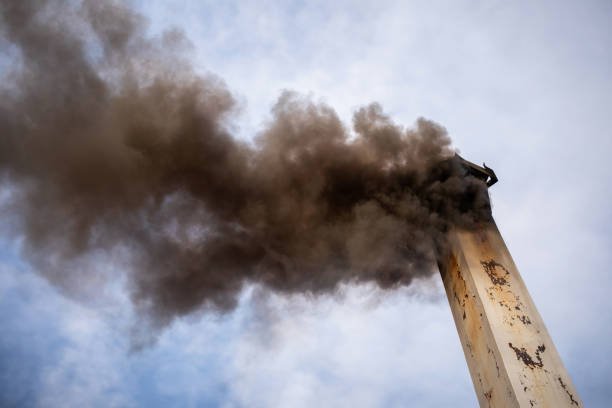
The cremation process requires a lot of fuel that burns for hours. The end result of this constant burning is that millions of tons of carbon dioxide are then dumped into our atmosphere every year. This kind of emission increases the catastrophes of climate change, and with 78% percent of people projected to choose cremation by 2040, we can only expect cremation’s environmental impacts to become more devastating.
Not only is the cremation process harmful to the environment, but cremated remains themselves are inherently toxic to plants and the surrounding ecosystem. Plants cannot grow and thrive with cremated remains without a soil amendment to counteract the toxic PH balance of the ashes.
At Larkspur, we use a proprietary soil amendment we mix with cremated remains to remediate them and minimize their negative impacts. The amendment we use at Larkspur from Let Your Love Grow binds the sodium in the cremated remains and balances the pH so as to minimize the disturbance to the plants. While we can reduce the impact of the cremated remains in the soil, there’s no nutrients left for plants in those remains. If you want to be a tree, being cremated prevents you from actually getting what you want.
If you’d like to learn more about what it means to become a tree when you die and the many choices you have for burial rites that can make this happen, please contact us! We’d love to speak with you and discuss what feels right for you and your loved ones.