
The goal of a home funeral guide is to facilitate maximum involvement of the family in charge of the funeral process and empower their social network. Here, Larkspur Answers some frequently asked questions about home funerals in the second of our 3-part series, “Bringing Death Home.”
What is a home funeral?
According to the National Home Funeral Alliance, a home funeral happens when a loved one is cared for by their friends and family, allowing them time to gather and participate in:
- Planning and carrying out after-death rituals or ceremonies.
- Preparing the body for burial or cremation by bathing, dressing, and laying out for visitation.
- Keeping the body cool with noninvasive techniques such as dry ice or ice packs.
- Transporting the deceased to the place of burial or cremation.
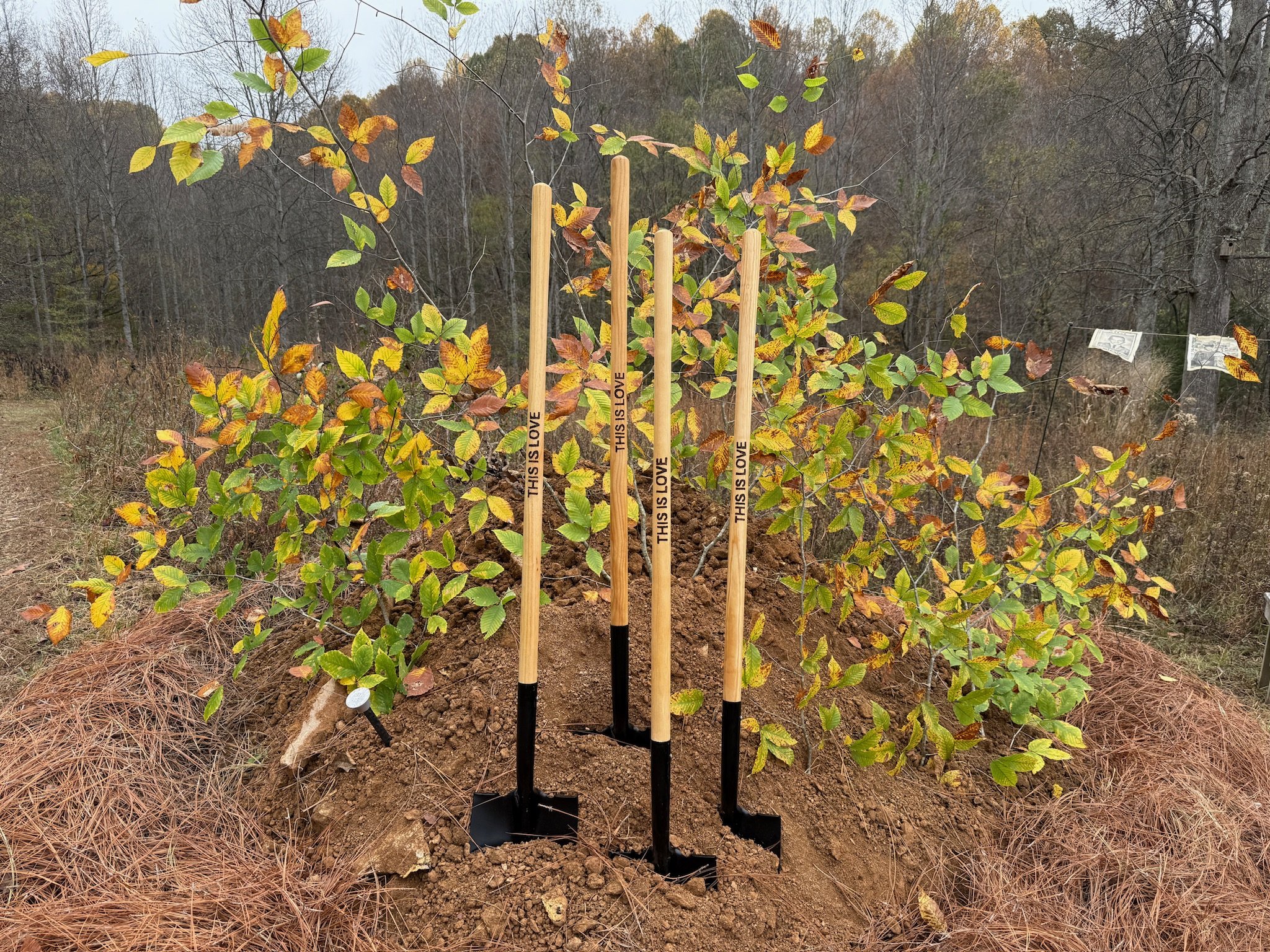
- Facilitating the final disposition, such as digging the grave in a natural burial.
- Hiring professionals for specific products or services.
Where can a home funeral take place?
Home funerals may occur within the family home or not. Some nursing homes, for example, may allow the family to care for the deceased after death, and more church committees are housing and caring for the dead. The emphasis is on minimal, non-invasive, and environmentally friendly care of the body. Support and assistance in after-death care may come from home funeral educators or guides. Still, their goal is to facilitate maximum involvement of the family in charge of the funeral process and their social network.
Where will we get a casket, or who will build one?
Today, caskets can be purchased online, at a funeral home, or in a specialty casket store. You can also build your own. Larkspur can help a family choose a casket, shroud, or cremation receptacle.
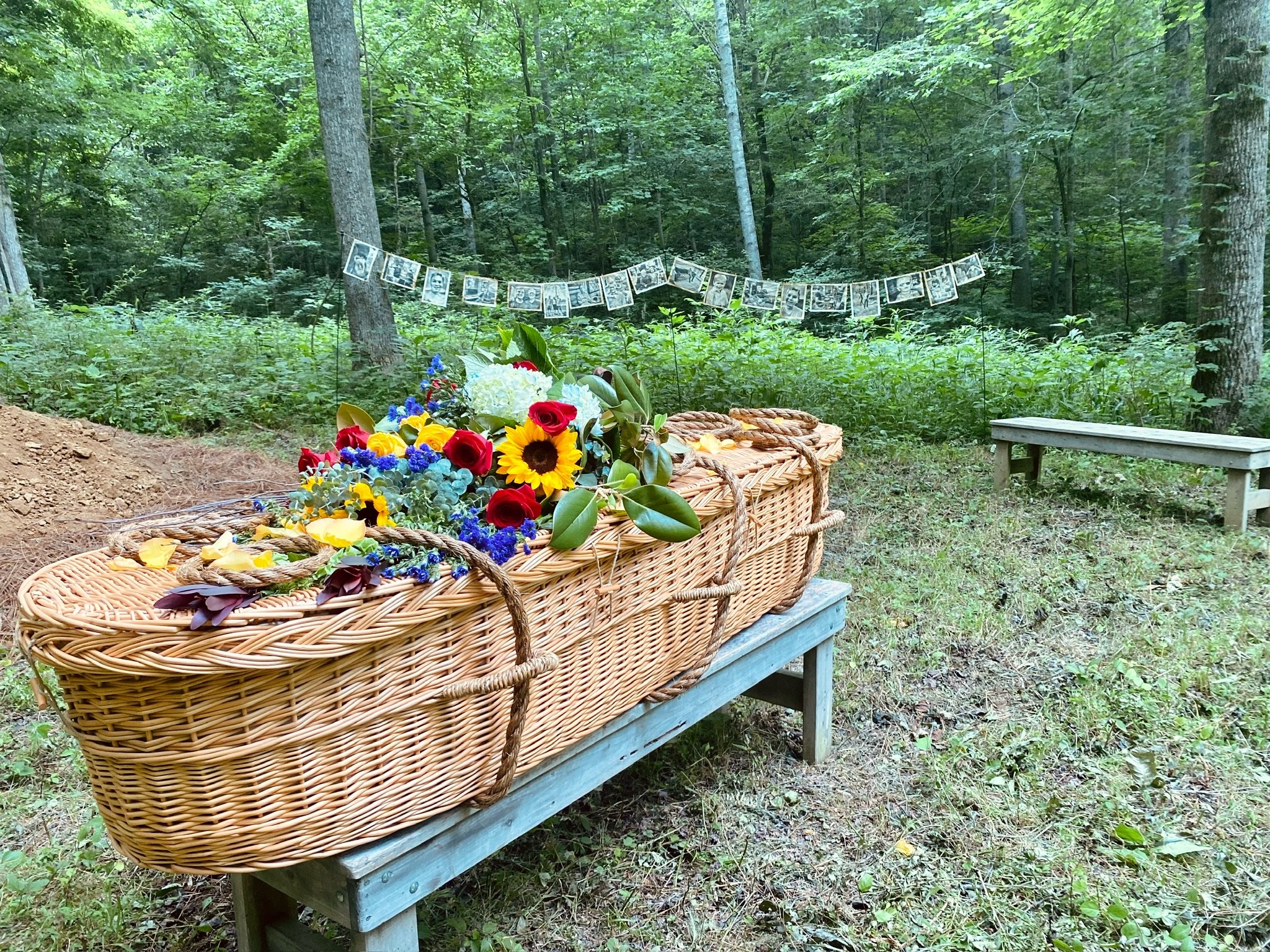
The most important things to ask oneself when selecting a casket are as follows:
- Where was the casket made?
- Is it biodegradable?
- Will my loved one fit in it?
- Was the casket made of endangered woods?
- How much does the casket cost?
- Are there any specific shipping or transportation costs associated?
- Is this what my loved one would have wanted?
- Does this casket meet the requirements of the cemetery or crematory?
*Always review the casket price list at a funeral home or casket store (they are required to provide you one) and see all the caskets listed before making a choice. Be sure to ask plenty of questions before making a final decision.
*If someone in the family is a handyman or woodworker, they can build a casket. They should ensure that the casket they build will meet the needs of the cemetery requirements and that the casket will physically hold and support the remains during transportation and burial.
Will we be able to have a viewing?
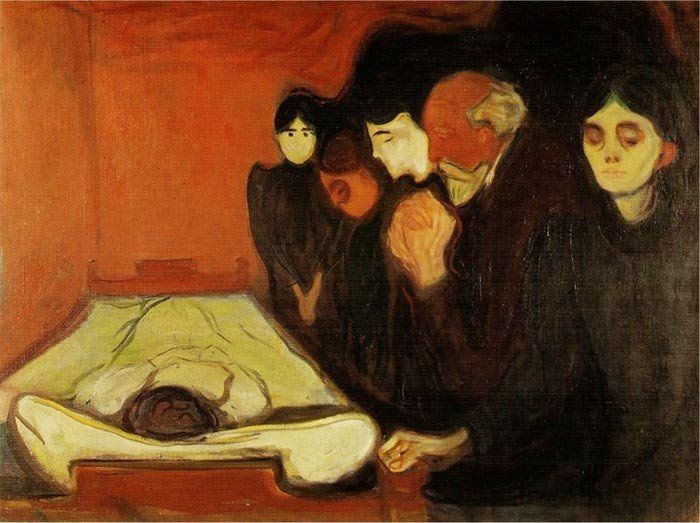
A study by *Harrington and Sprowl (2011) explored family members’ experiences of holding viewings of deceased loved ones. Their study found that viewings were proven to assist people experiencing grief in naturally processing the emotion. Viewings can occur at the bedside just after someone has died; it does not have to occur casket-side. Sometimes, viewing may not be an option due to natural circumstances beyond anyone’s control. Viewings should be each individual’s choice, and every close family member should be given the option if at all possible.
Will we invite friends into the home, church, or healthcare facility for the ritual and/or viewing?
In today’s society, families are unique and diverse. Sometimes, close family members are not of blood relation at all. They could be housekeepers, friends, coworkers, etc. Include anyone you are comfortable with or feel will benefit from the viewing process. Do not feel obligated to open your home, hospital room, church, or other place to the general public.
How soon should we commence with the ritual?
Generally, it is best to commence at each family’s pace, considering that an unembalmed body will need proper care if it is to stay in the home longer than 24 hours. The most important things to do are to slow down and plan ahead. The proactive family is one that communicates and shares prior to death. This communication will assist in experiencing a peaceful transition and proper healing during grief.
Where will the money come from to facilitate all of the above?
There are many ways to ensure funds are available for your family and friends to use for your care after you are gone. You can often prepay for funeral and cemetery needs by setting up a personal fund or discussing options with a funeral home, cemetery, or home funeral guide. Some people choose not to prepay, and instead set up a dedicated savings account for their funeral and burial needs (giving access to the person/people who will be responsible) or use a CD payable upon death. Some acquire life insurance policies for their family to use, but it can take some time for insurance companies to disburse these funds, so it’s not always as helpful as families wish it were. The most important thing to do is not to wait until death occurs to decide where the funds will come from. Plan ahead and have a financial strategy. Larkspur has several specialists who can help you identify what your wishes and desires are for after-death care and help you plan accordingly.
If you or your loved one plan to be buried at Larkspur, and have any questions about having a home funeral, please contact us for help. In our next exploration, we’ll discuss how to make your Home Funeral wishes a reality.