
For most of human history, families cared for their own dead at home – a practice that predates modern embalming and elaborate burials. Reclaim this ancestral tradition and discover the healing, connection, and empowerment of home funerals in this 3-part series, “Bringing Death Home.”
There’s a common belief that home funerals are either illegal, impractical, or simply ‘not done’. For this series, we will explore why that’s often not the case and how you can bring the practice of honoring your loved one’s death back home. We will also discuss the potential for a greater emotional connection and comfort in reclaiming this timeless tradition.
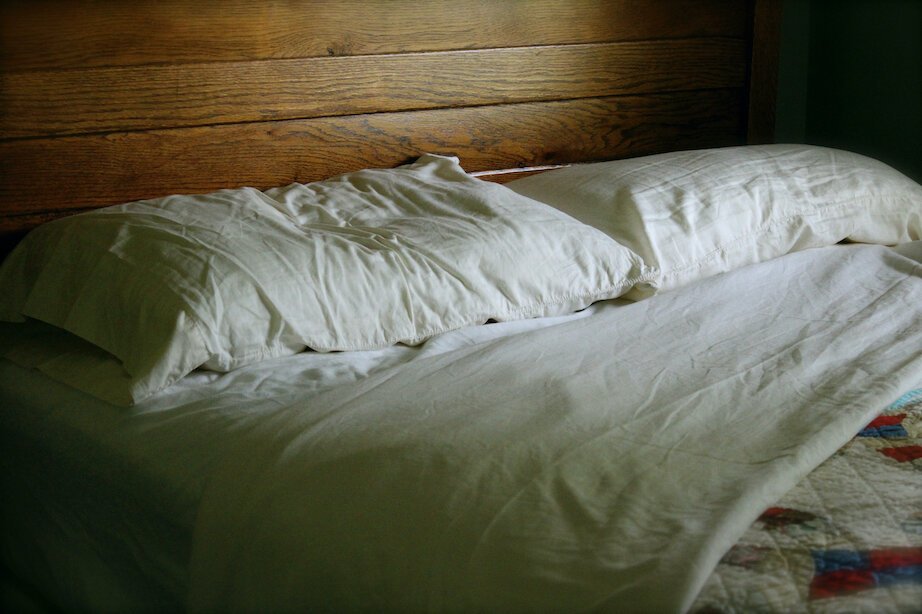
Not so many years ago, it was commonplace to experience the death of a loved one at home. After a death, people held funeral rituals in private homes. It was a time of family participation and reflection. Embalming only became a common practice during the Civil War, temporarily allowing a soldier’s remains to be transported home to his family for burial. Transportation took many days and weeks, and without embalming, decomposition would overtake the remains before the family had time to say goodbye and carry out their funeral rituals and rites of closure.
Today, embalming is generally optional. Transportation and cooling methods have evolved dramatically, allowing a body to be held and cared for until burial or cremation occurs. At Larkspur, most burials happen one or two weeks after someone has died, but some families have waited more than a month to have the burial with no consequence.
In early American history, families had no option but to care for their deceased within their own homes. There were no external facilities for this purpose. Within familiar surroundings, this immediate and intimate care naturally initiated the family’s healing process and path toward closure. This intimate setting meant that the first steps in acknowledging their loss unfolded within the comforting space of their own home. The shift away from home-based care has removed much of this valuable process.
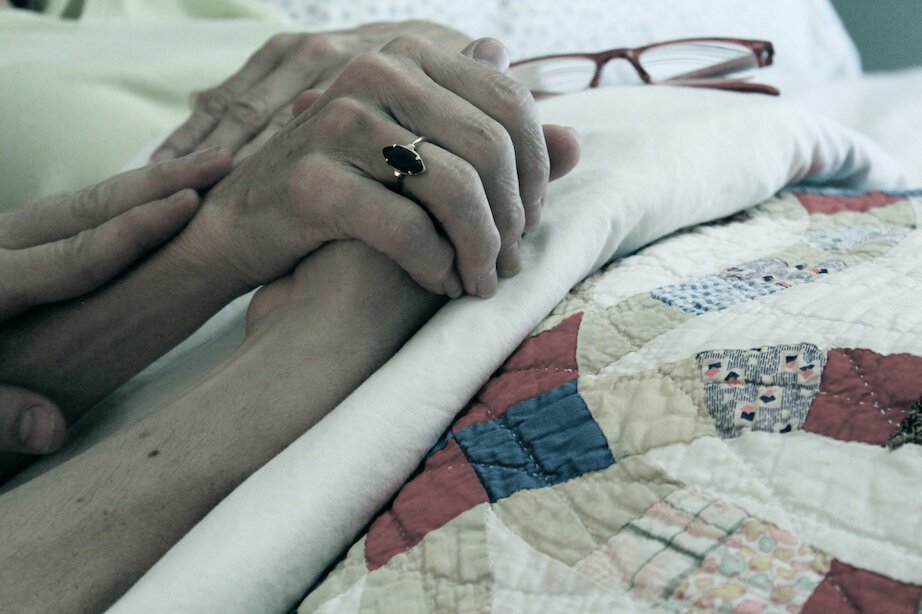
The current approach to caring for the deceased often involves a degree of separation. The body is usually transferred to a funeral home for processes like embalming and applying makeup intended to create a certain life-like appearance. The trend of professionalized care can, in some ways, make the reality of death feel more veiled and unsettling, potentially reinforcing the idea that it’s a matter best left for ‘funeral professionals’. In doing so, we may have robbed ourselves of proper healing by outsourcing our grief to the funeral home.
When we take charge of caring for the bodies of our deceased loved ones, we foster our emotions and physical well-being. For individuals who are alone when a loved one passes, connecting with a funeral director or home funeral practitioner can offer essential support and direction. Navigating the complexities of loss, both emotionally and physically, is a journey meant to take place with the support of others. Welcoming loved ones and support into your circle allows you the space to grieve fully and find rest. One way to do this is to consider reclaiming the home funeral experience.
A home funeral is one in which a family takes on the role of being their own funeral director and manages the care of the body themselves. That may include some of the following:
- Keeping the deceased’s body cool at home
- Ritual washing or bathing
- Transporting the deceased’s body to the cemetery.
Although some of these tasks and logistics might seem overwhelming, those who choose a home funeral often find the experience to be deeply meaningful.
Exploring whether a home funeral aligns with your wishes can begin by connecting with a home funeral guide. Larkspur Conservation can provide the information and support you need to make an informed decision.