
 Have you ever considered how our burial choices impact public health?
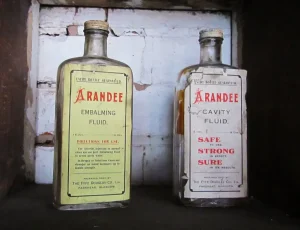 Have you ever considered how our burial choices impact public health?
 Here we explore the hidden health impacts of traditional burial and discover how choosing a natural, embalming-free farewell is a conscious choice for both the body and the planet.
Why Natural Burial Benefits People and Planet:
Over the last few years, we’ve seen a growing movement toward a more sustainable way of living. From electric cars and LED light bulbs to increased use of sustainable practices for our homes and daily routines, we’re making more conscious choices than ever before. But when it comes to the end of our lives, our focus on sustainability often stops.
When we avoid talking about death, it becomes difficult to make good choices for ourselves and the environment, and most people don’t realize they have a choice in after-death care. In this two-part series, we’ll explore how natural burial can be a public health solution, offering a conscious choice that benefits both people and the planet.
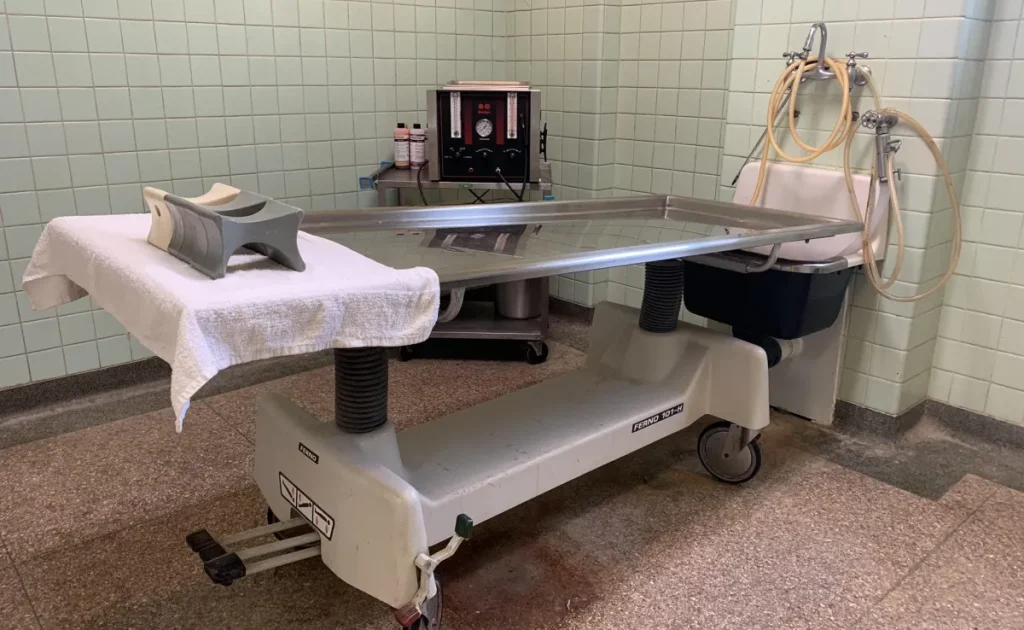
For many, conventional burial is the only option they’ve ever known, and a key part of this process is embalming. Embalming is a chemical process that temporarily preserves a person’s body after death, and it has been the standard in the United States for over a century. While this practice is widespread, few people are aware of its potential public health and environmental risks.
The primary chemical used in embalming is formaldehyde (HCHO), and its presence in funeral preparations is a significant public health concern. In 2004, the International Agency for Research on Cancer (IARC) elevated its classification of formaldehyde to a known human carcinogen. HCHO is toxic to the embalmer, the soil, and water. According to the National Cancer Institute, this chemical is linked to:
- An increased risk of brain cancer and leukemia
- Systemic cancers
- Heart disease and liver cirrhosis
While formaldehyde is the primary concern, conventional mortuary care uses an array of chemicals—including antimicrobials, disinfectants, and other personal care products—that present additional public health dangers.
The public health concerns of traditional embalming extend beyond the chemicals themselves. For example, an average adult requires approximately 3.5 gallons of embalming chemicals. During the preparation process, these chemicals and bodily fluids are often disposed of directly into public wastewater systems. This introduces a hazardous cocktail of synthetic compounds and potential antimicrobial residues into our shared environment. These same chemicals are also prone to leaching into the ground following traditional burial, impacting soil and groundwater for years to come.
The environmental footprint extends to the very land on which we bury our dead. The relentless expansion of traditional cemeteries directly threatens land use and ecological balance. As existing burial grounds reach capacity, the demand for new plots leads to converting natural habitats into manicured lawns. This process results in significant habitat fragmentation and loss, displacing wildlife and reducing biodiversity.
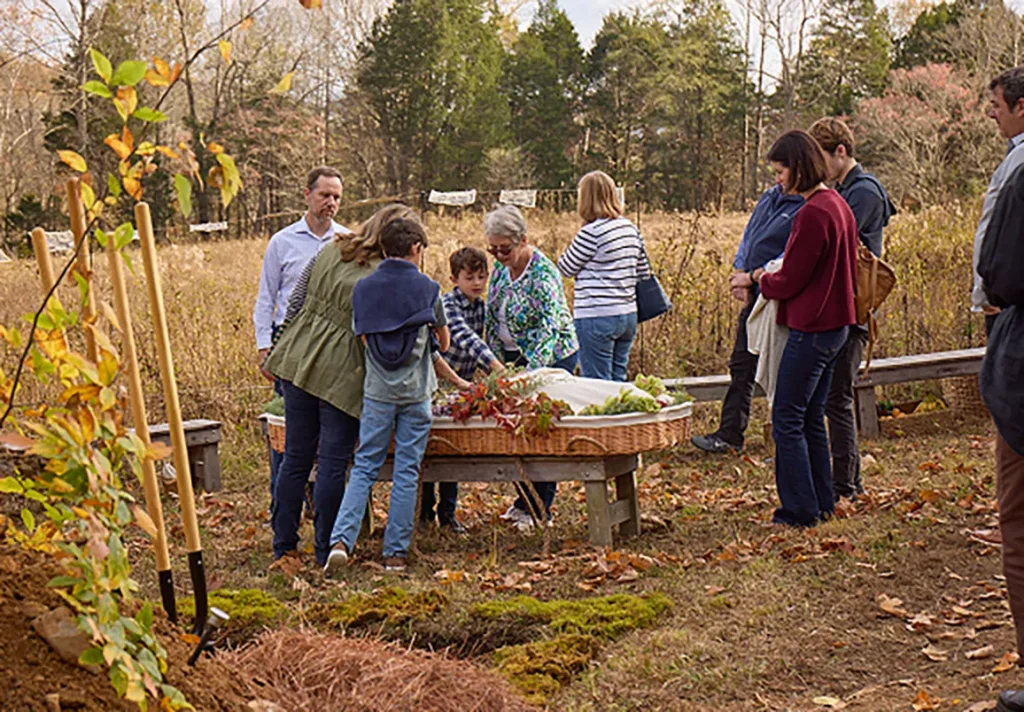
At Larkspur, we invite you to consider our earth-friendly alternative to traditional burial. As a conservation burial ground, we provide a natural, chemical-free resting place that protects and restores the land.
By choosing natural burial, you are making a conscious choice that eliminates harmful embalming chemicals from the earth and ensures your final act contributes to preserving natural habitats and biodiversity. Natural burial is a public health solution that offers a healthier farewell for you, your loved ones, and the planet.