


There’s a More Gentle Option—
for You and the Earth.
At Larkspur, we help families explore a more natural alternative—
one that gives back to the earth rather than taking from it.

The Reality of Cremation
Cremation is often described as “eco-friendly,” but there’s a difference between that idea and the industrial reality.
- A single cremation releases hundreds of pounds of CO₂
- With millions of cremations each year, emissions add up quickly
- As cremation rates continue to rise, so does its long-term environmental impact
Cremated remains contains few nutrients living ecosystems rely on, and can actively be harmful to plant life.
For people who choose cremation out of care for the planet, this can feel like an uncomfortable mismatch between intention and outcome.

The Disconnection
Cremation often removes the family from the process, replacing a sacred moment with a mechanical one. When someone is cremated there is very little opportunity for people to be involved.
- There is little opportunity to gather together, tell stories, or care for someone with your own hands
- At most, families pay extra to press a button to start the cremation process
Caring for the dead should be simple and dignified. But, simple should never mean losing the chance to gather, participate, and say goodbye.

Going One Step Further: Conservation Burial at Larkspur
At Larkspur, green burial is only the beginning.
Our conservation burial model ensures that:
- The land is permanently protected from development
- Burial directly supports ecological restoration and stewardship
- Families are encouraged to grieve, care for each other, and be involved throughout the process
Instead of leaving a carbon footprint, a conservation burial creates a lasting positive impact—protecting open land and helping nature thrive.
For families who care deeply about legacy, this can feel like a meaningful alternative to cremation.
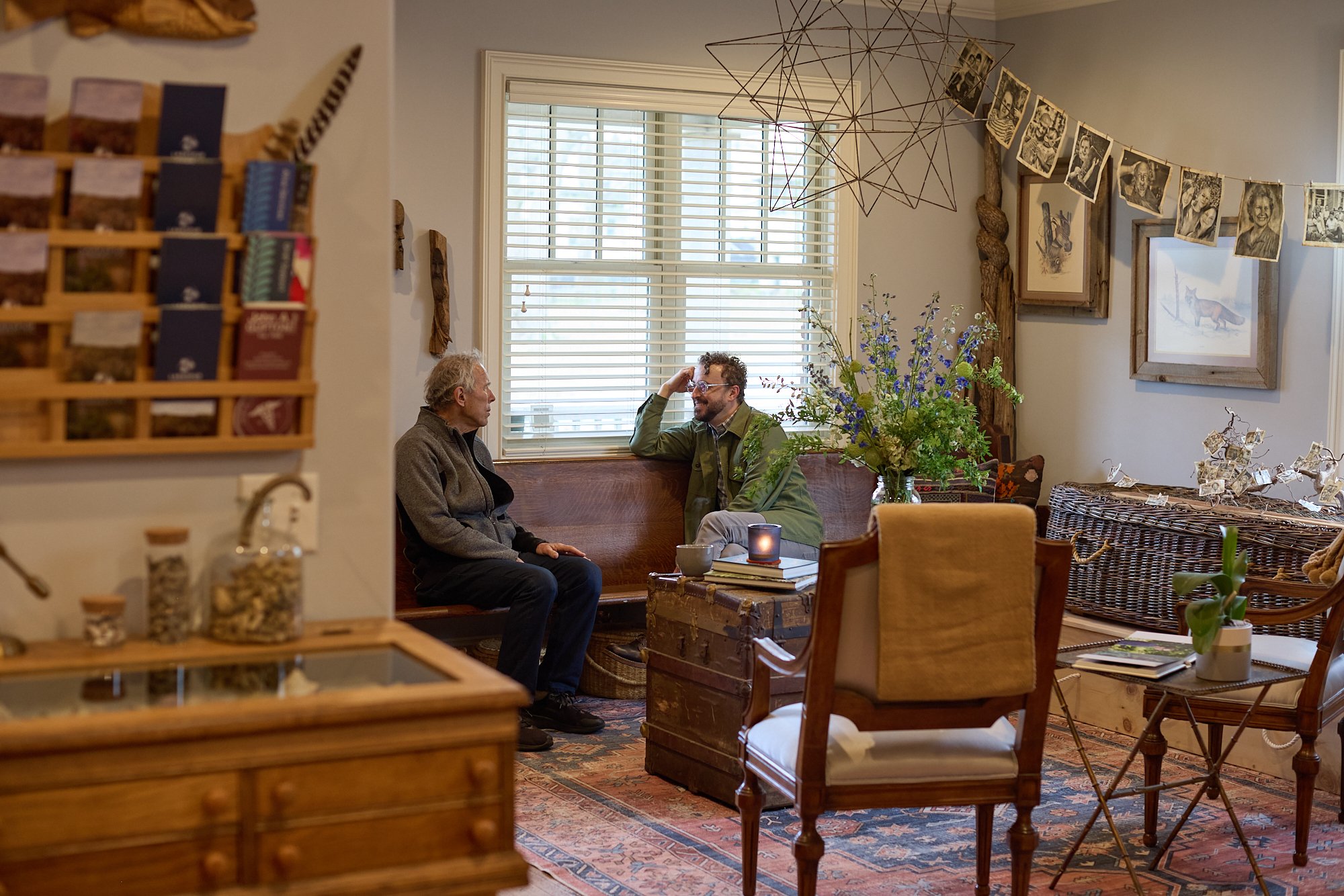
Curious if Larkspur Might Be Right for You?
We’re always happy to answer questions—whether you’re planning ahead or facing an immediate need.
There’s no pressure, no obligation—just a conversation.