
Writing a eulogy can feel like a daunting task. While there is no right or wrong way to write a eulogy, there are some things you can do to make it feel right. Here our interfaith chaplain gives some helpful tips
A eulogy is a specific way to honor someone who has died. It’s a piece of writing given, usually as a funeral speech or at a burial service, in which we celebrate the deceased’s life and the legacy they leave behind. While writing comes easily to some people, writing a eulogy is never a welcome task, especially when moving through the throes of grief.
There’s no right or wrong way to do it. There’s no template or classical format. However, the good news is there are a few ways to approach the task to make it less daunting. In fact, by following these steps you might even find writing a eulogy for your loved one fulfilling and healing.
1) Let Memory Lead the Way

A great place to start when writing a eulogy is to first stop and ask questions that evoke memory: What did this person love? What did they do for fun while they were alive? What’s a favorite memory of them? What made them laugh?
Questions like these will lead you to specific memories; they spark instances and images that bring the deceased’s memory to life. Many of these memories might be brought into view by looking through old photo albums, or asking different friends and family members what stands out to them from the person’s life. The more specific memories included in a eulogy, the more personal the eulogy becomes. The deceased’s memory endures through these stories.
Chronological order of the memories isn’t as important as the tone and energy which these memories evoke. It’s always effective to say/give condolences at the beginning, a fun or funny memory in the middle, and a tender thought or moment at the end. Every person is different, so go with your gut instinct on what to include where. You know your loved one. Share what you think will honor them.
2) Lift Up Their Legacy
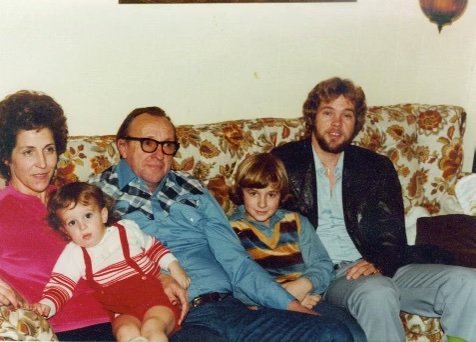
Once specific memories are evoked it’s helpful to deepen the questions asked around the memories to show not only what the person did while they were here on earth, but also what kind of person they were. What was the person’s impact on those around them? How did they show up for their community? What is the legacy they leave behind? To lift up someone’s legacy when writing a eulogy is an incredibly powerful way to honor the dead.
It’s the kind of storytelling which allows those who have passed to feel present within us and among us. It’s a way to speak aloud the ways their spirit lives on.
The best part about including someone’s legacy in a eulogy is that a legacy can be anything. Perhaps they always made a delicious dish that everyone craved at family gatherings, they had a favorite color they included in every piece or their wardrobe, or they nurtured a love for puns and dad jokes and made folks laugh every chance they got—each person’s legacy is so personal and unique. It’s the small ways they lived their life and how they touched the lives of others. Keeping a eulogy personal by including one’s legacy is always an effective choice.
3) Give Yourself Time

One of the most important facets to remember when writing a eulogy is to not rush. Give yourself time to sit with the questions, sift through the memories, and time to edit and revise the words which bubble up from the page. These things take time.
To write a eulogy is to wade chest deep through a variegated terrain of feelings–all of which are important to the grieving process. Give yourself extra time to sit with your thoughts and your writing honors not only the person who has passed, but your own emotions and needs through the process.
If you’re planning a burial at Larkspur and would like to discuss how to write a eulogy, or other ways to ritualize and honor the person you loved who has passed–please contact us. Our interfaith chaplain would be happy to speak with you about ways to honor your dead and support your grief that feel right to you.