
Do you need to write an obituary? Our Interfaith Chaplain offers a few tips on how to make an obituary as personalized and unique as the person you’ve lost.
Besides a eulogy, an obituary might be the hardest thing you are asked to write in your lifetime. Making sense of the world after someone died is incredibly challenging, and it can be especially hard to write clearly in the deep throes of grief. But like we explained in our blog on how to write a eulogy, there’s no right or wrong way to honor your loved one after they die. Everyone mourns and honors the dead in their own specific way. One way to communicate and share what someone meant to us is through writing an obituary.
If you’re looking for help in writing an obituary, or how the process might be a bit easier when you do have to write one, we’ve got a few suggestions that will help.
1. Don’t Write about Their Death—Write about Their Life
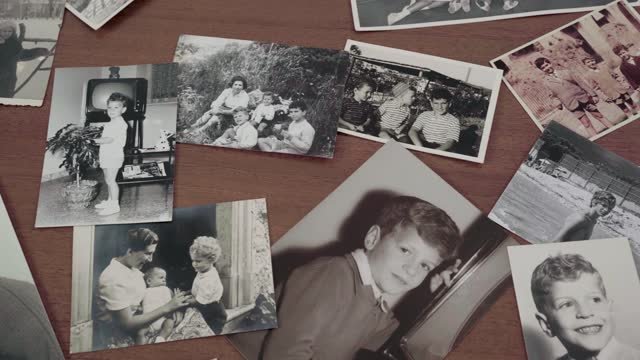
While an obituary is oftentimes approached as an announcement of someone’s death, that is not all it has to be. In fact, the contents of an obituary are actually a retelling of their life. Reframing an obituary as the story of someone’s life is a really helpful way to begin the writing process. For instance, start with answering some of these questions and jotting down what comes up first in your mind:
- What experiences did this person cherish while they were alive?
- Who did they love and how did they show their love to those people?
- How did this person live out their beliefs?
- What were some of the highlights or accomplishments they reached?
- What were their struggles and how did they overcome them?
The facts of someone’s life (their birth date, death date, city residence) don’t always show the full picture of someone, and often doesn’t feel fulfilling to write. Reframing these facts in a narrative manner really shows their personality, and allows readers who know them to really cherish those moments they might have shared with the deceased. Writing an obituary as a life story is also an opportunity to really cherish the parts of that person’s life you might not have been part of, but want to celebrate nonetheless.
2. Let a Timeline Lead the Way
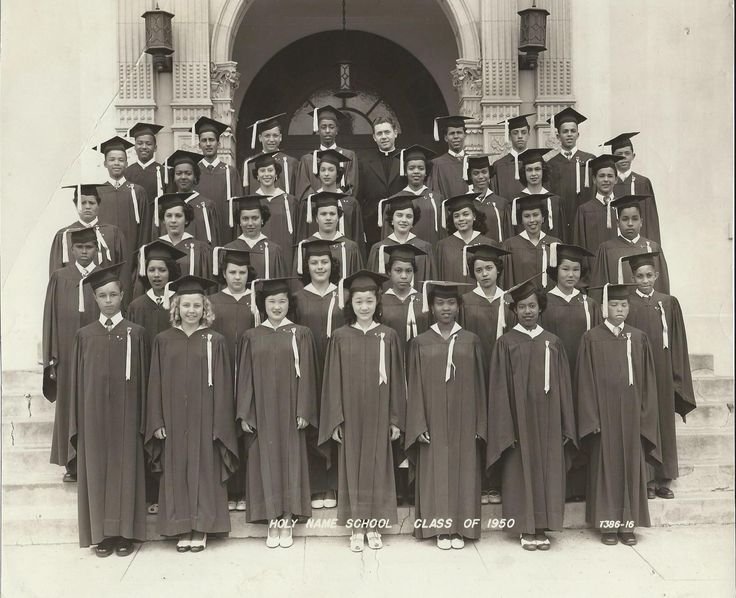
Every great story has a template, and every great template has a timeline. When writing an obituary as a life story, thinking about a timeline is incredibly helpful. Approach each section of a person’s life one at a time instead of overwhelming yourself with thinking about their life as a whole. Looking through family photos of that person’s life can be a great catalyst in this process. As you view someone’s life through photos, take it step by step and ask yourself:
- Where did they grow up and what was their early life like?
- Who were they surrounded by and what did they enjoy in school?
- When did they meet their true love or who were their best friends?
- What years or ages did they reach their big goals?
- Was there anything consistent throughout all of their life that was important to them?
The last question can be especially helpful for recognizing someone’s legacy. For instance, some people find a love of music at an early age. They join a band in college and play an instrument, or sing for many years. Then, in their older age, they use this gift of music to play or sing for their church choir. Music might be part of that person’s legacy and something that can remind loved ones of that person every time they hear it.These questions are great jumping off points to create an obituary template where you tell the story of their life piece by piece. Instead of allowing yourself to be overwhelmed with their life story as a whole, you’re able to approach it piece by piece and honor their whole life well.
3. Fill It With Love
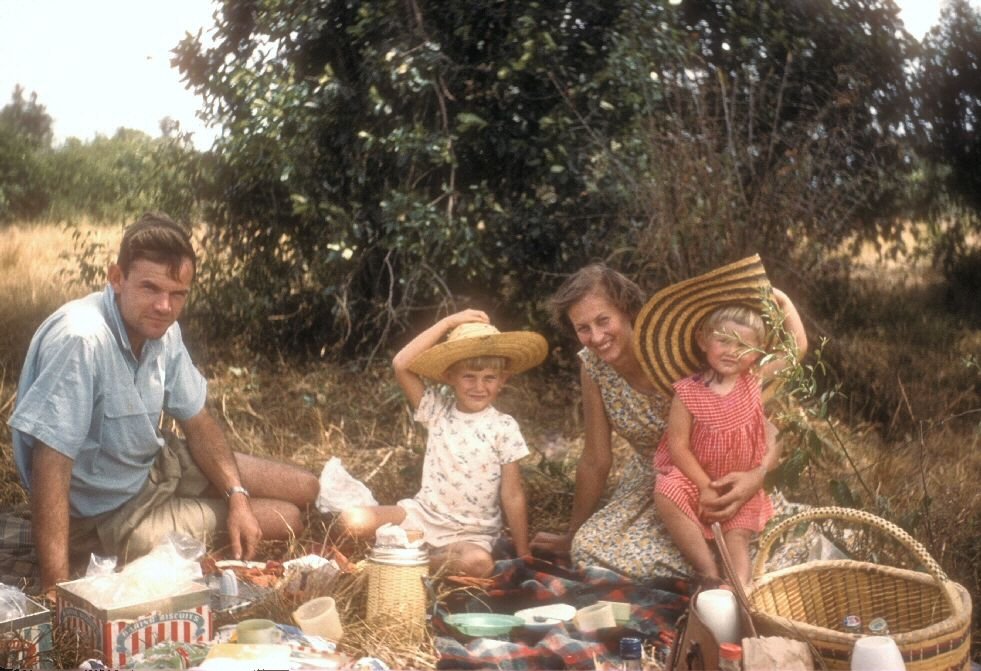
We know no one wants to write an obituary, but it’s something that oftentimes we must do in our lives to honor those we love. So, why not allow it to be a great act of care for your loved one? Take your time with it. Let it be an intentional act of mourning and love. Thinking about writing an obituary as part of showing your love for that person and their life is a good way to help motivate the obituary writing process.
It’s helpful to see the writing as a place–outside of our own hearts–where we can hold the many parts of what we loved about someone. The page can be a place to declare our endearment or admiration for the deceased, and a place to show what parts of their life inspired us. If you write your obituary with a focus on the love you felt for that person, it will show in the writing. Other people will see/feel that love too. Whoever picks up and reads the obituary will know this person was adored and cherished. In this way, an obituary isn’t just a notice of one’s death, instead it transforms into a commemoration of their life and the love they passed on to others.
Here is an obituary example written by a Larkspur family. It is filled with love, follows a timeline, and honors a full life, well-lived.
If you’re planning a burial at Larkspur and would like to discuss how to write an obituary, or other ways to honor the person you loved who has passed, please contact us. Our interfaith chaplain would be happy to speak with you about ways to honor your people that feels right to you.