
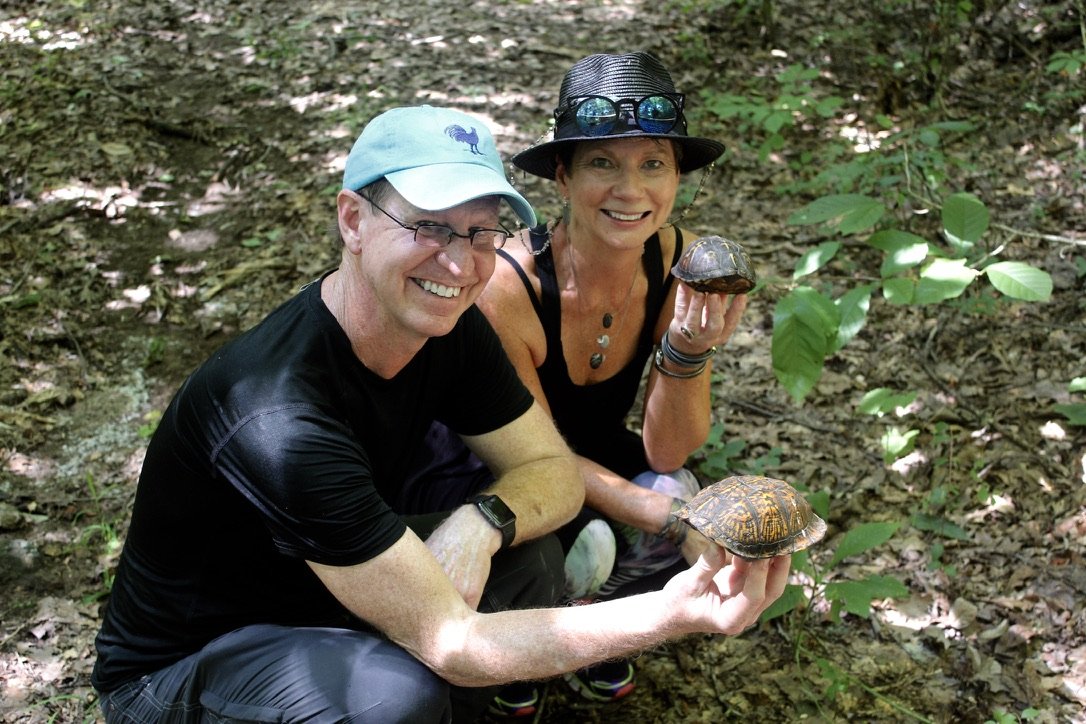
Dr. Billy and Kimberley Campbell, of Ramsey Creek Preserve, explain the intricate process of decomposition. This article details how this process is crucial to green burial and how it heals the bonds between humanity and the natural world.
It began as a dream in the 1970’s, but by the 1990’s it bloomed into something real: Ramsey Creek Preserve. The first green burial conservation cemetery in the United States. A passion for land preservation and a love of people inspired Dr. Billy and Kimberley Campbell to open Ramsey Creek in 1996. From there, the U.S. movement to revive natural burial took flight. When asked about the need for natural burial in the United States Kimberley summarizes it well, “we used to take care of our dead, and somewhere along the line we really did lose that skill.”
Caring for the dead while healing the land is a key component to our mission here at Larkspur Conservation. We are grateful to be in collaboration with Kimberley and Billy, as well as a community of other operators, as we use these tenets of green burial daily. We know these two have a lot to teach us about the delicate dance of decomposition and how this process helps restore the land.
The first step of the decomposition process is purging. This is when all fluids exit the body. As the body begins to break down, these fluids will filter through the soil naturally. Exposure to oxygen is vital to this process, and speeds things along. This is why green burial cemeteries (such as Larkspur and Ramsey Creek) use compostable materials to bury the dead, such as a pine casket or a natural cloth shroud. In a conventional cemetery, the decomposition process is thrown awry because these fluids cannot escape and are held close to the body trapped in a metal casket and vault. The natural caskets and shrouds used in green burial allow for more oxygen to reach the body, which actively helps decomposition happen the way nature intended.
“People have this idea that the body suddenly turns into this seething, toxic thing once we’re dead, but really and truly most of the stuff we are made of is not toxic.” Billy notes.
In one of the Ramsey Creek blogs he challenges this myth of the body being toxic and details the purging process, “after someone dies, cells soon begin to break down in a process called autolysis…within 25 days the body weighs only 40% as much as it did at burial.” This means that the purging process is quick, and once that step of the decomposition process is complete, the second step in the dance of decomposition can begin: recycling.
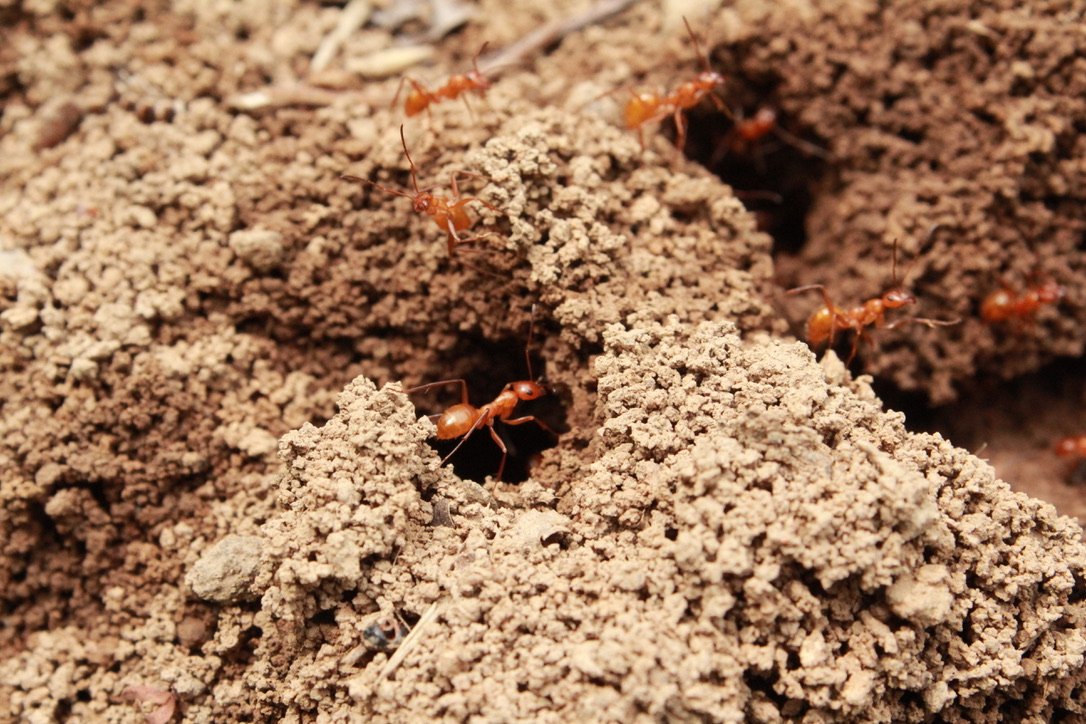
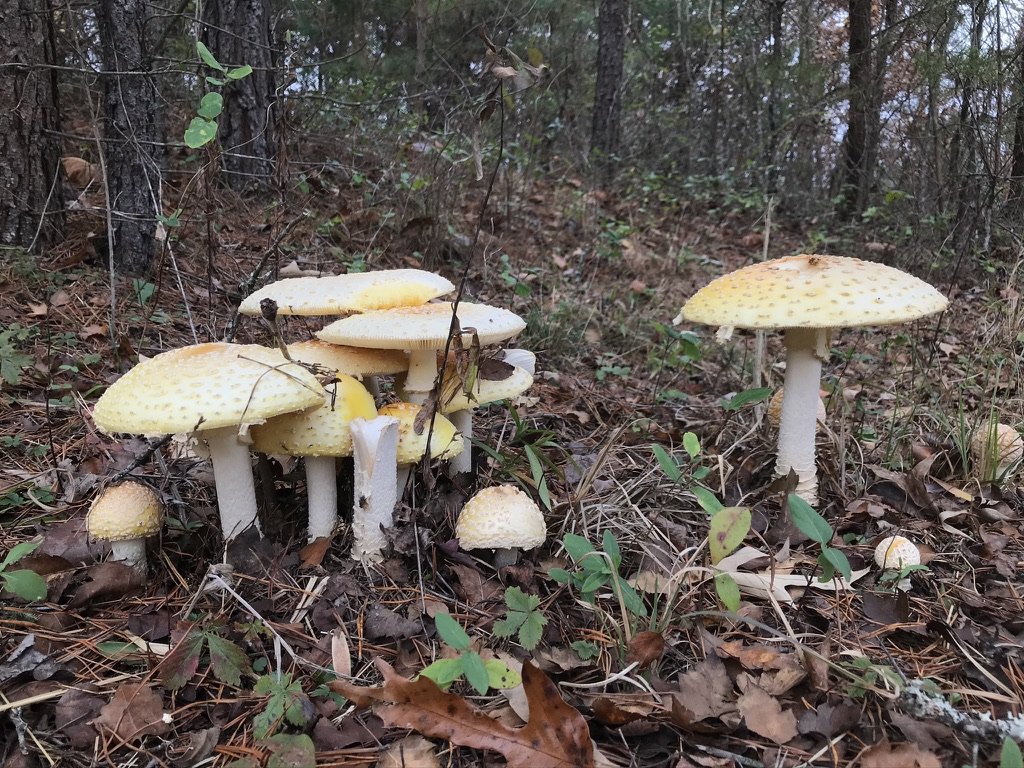
During recycling, microbes and soil bacteria first cooperate to break down the human body and return its nutrients to the soil. Next, insects begin to utilize this as a food supply. Ants are especially helpful in this stage. Billy notes in his blog that, “fungi could play into this process,” but also adds that, “it will be dominated early on by molds and other non-mushroom fungal species that can tolerate high pH and ammonia levels.” So, it’s safe to say that fungi waltz in once the ants have had their fill.
Billy says that during the recycling process, “the grave itself becomes a living thing… it becomes a composting unit.” This phase of decomposition happens after liquids leave our body, and it’s the exact place where the transgenerational bond between humans and land begins. This is the real communal performance and why natural burial is so effective in healing the earth.
It’s a delicate dance with many different parts, but each part makes up a beautiful display of nature, and a return to the earth through revitalization. Natural burial makes this regeneration possible. Billy notes, “a year after burial there is not much left of the body, and after several years there’s not much left at all.”
Of course, how long this dance of decomposition takes depends on the climate, soil types, moisture content, and a host of other factors. This is why natural burial techniques are so site specific, because decomposition moves at different rates in different parts of the world. In most climates, decomposition occurs in a matter of months. However, in places where the soil is much tougher or nutrients more scarce (such as deserts and tundras), this process might take a little longer than expected.
In conversation, Billy shares that natural burial is a moment that can be used, “to create a connection between the natural community and humans it’s important not to just save the land, but create transgenerational bonds between land and people.” When we choose natural and conservation burial we show respect for the environment. Our grandchildren will be tied to the place because of our commitment to restore and become one with the landscape.
If you’d like to learn more about the natural burial process, or why green burial cemeteries do what we do, please contact us! We’d love to show you how Larkspur contributes to this important work.