
You don’t have to believe what the first pagans believed to find meaningful ways to celebrate Halloween, but we can use how they viewed the season to point us towards repairing our relationship with death. We can create our own ways back to what is truly human, which is the inevitability that we too will someday die.
As Halloween approaches, so does seasonal decorating. Take a walk through most any neighborhood and you’ll see glimpses of ghoulish yard ghosts, straw witches with their brooms, or styrofoam graveyards full of re-animated plastic zombies. Our modern Halloween takes many forms, but the most prominent one contorts our relationship with death and burial.
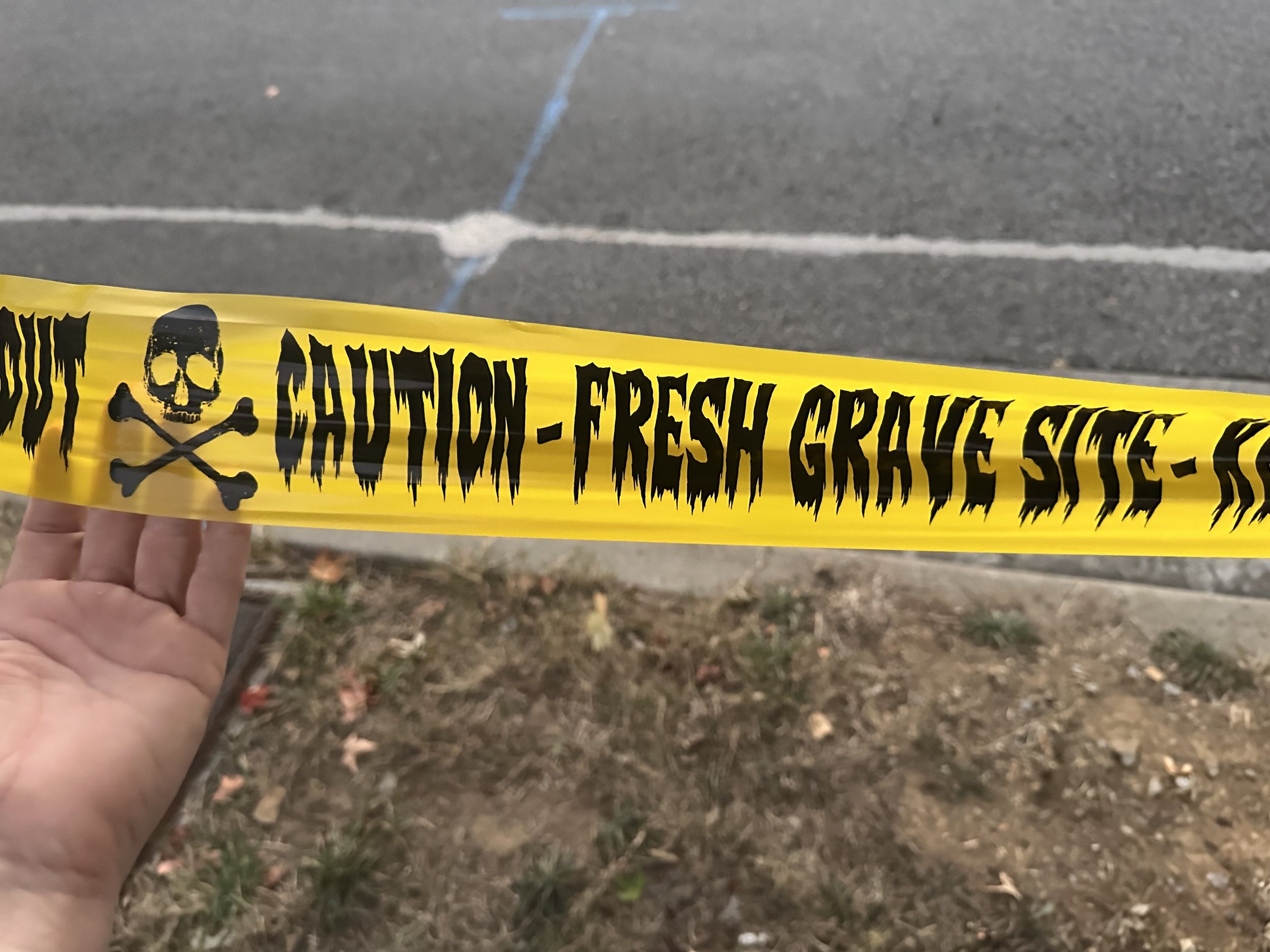
On a sunset walk here in Nashville, Larkspur’s Executive Director, John Christian Phifer, noticed one of these examples . Wrapped around the perimeter of a yard, as though it were a danger,a long string of yellow tape read: CAUTION: FRESH GRAVE SITE.
“It’s no wonder our relationship with death is complicated; we’re taught from an early age to fear it,” John Christian notes. “We can build these extravagant displays in the front yard each year, but we can’t have a conversation about death at our dinner table?”
Sure, death makes people uncomfortable, but death doesn’t have to be terrifying. People can make it that way. In fact, that’s what the exploitation of death during the Halloween season does. It takes something that is inevitable in a human’s life and morphs it into something grotesque; something that we should be afraid of or run away from, but there’s no running away from death. It’s not a figure or an immortal being in a dark cloak. Death is an integral part of the human experience. In fact, embracing death as a part of life is where the origins of Halloween appeared in the first place.
What we now call Halloween began as the yearly Celtic pagan celebration of Samhain (pronounced, “sow-inn”). This sacred festival marked the end of the harvest season. It was believed that during this time the veil between this world and other worlds was at its thinnest–time and space became blurred–the spirits of the dead could walk among the living once again.
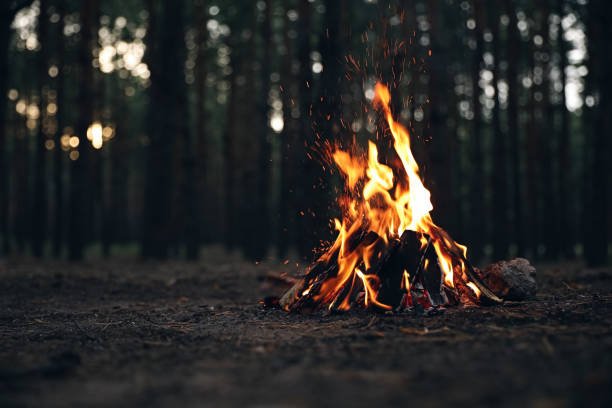
People would share stories, food, and fire. It was ritualized with human mortality at its center. Many of these rituals consisted of mirroring what the Celts saw in the natural world around them, and what it would bring in the year to come. Modern druids who still practice the holiday say, “the Cailleach (the Crone) comes to strip the leaves from the trees, to quicken the decay of the flesh of the year, so that it may feed the new life to come.” This festival was created out of a necessity. Samhain wasn’t just about the spiritual thinning of the veil, it was a ritualized practice of acknowledging how the death of things—especially with the harsh realities of winter—is an essential part of life that allows it to continue.
Halloween isn’t Samhain, of course. It’s become a totally different holiday, with only some small, lingering rituals that remain. Consumerism and capitalism have taken away much of the sacredness and the ceremony of this holiday, and more than that, it’s stripped away humanity’s relationship with death that was so prevalent in those early iterations.
Commercialism has spun burial grounds not into something sacred or holy, but into something scary and dangerous. Instead of embracing death as an inevitable part of life, we run from it, or even worse–we simply ignore it altogether. John Christian offers this perspective:
“Cultural effects, such as the gruesome depictions we see in horror movies, haunted houses, and gaudy/gorey decorations destroy our relationship with death—how we approach it, talk about it, think about it, and view it. We’ve allowed commercialism to miseducate us. I think it would be amazing to find ways to still have fun with our modern day halloween and also re-incorporate the practices that are death-affirming rather than vilifying death. Death is not an entity, instead it is an experience that unifies us all.”
So, how can we repair our relationship with death and still have a fun and spooky celebration of the season?
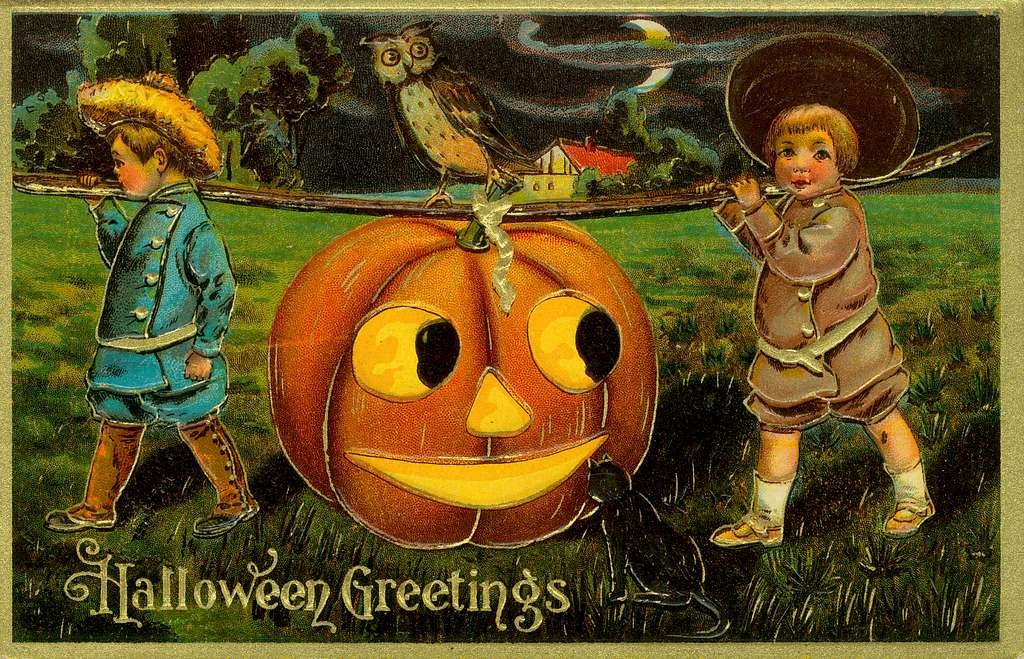
You don’t have to believe what the first pagans believed to find meaningful ways to celebrate, but we can use how they viewed the season to point us in the right direction. The veil does feel thin this time of year through the crispness of the air. Summer is over and the harvest is complete. As the autumn leaves change color and turn dry underneath our feet, we are given a chance to mirror back what the natural world gives to us. We can spend time with our communities and prepare for the solitude and quiet that comes with a hard winter. We can examine our relationship with death while we embrace the loss of all the green that surrounded us in the warmer seasons. We can create our own ways back to what is truly human, which is the inevitability that we too will someday die.
This Halloween season, as you walk the aisle your local box store remember: death doesn’t have to be a scary monster that comes around once a year, it shouldn’t be feared at all. In fact, it’s been here all along.