
In this first edition of a new blog series we’re calling, “What Do Different Religions Say When Someone Dies” we’ll be looking at Judaism and The beautiful sayings, customs, and rituals it holds around the act of mourning.
What do we say when someone dies? Oftentimes, it can be a moment where words escape us. We see people we care about swallowed by loss and suddenly words might be all we have to extend comfort and support. Words can be powerful in times of great grief; and while all people mourn, we must remember that all people mourn differently. It’s important to respect and honor each person’s traditions and ways of mourning to show we really care. Many religions have entire customs, prayers, phrases, and rituals around death that bring comfort and healing. So, in this first edition of a new blog series we’re calling, “What Do Different Religions Say When Someone Dies” we’ll be looking at Judaism and its beautiful sayings, customs, and rituals around the act of mourning.
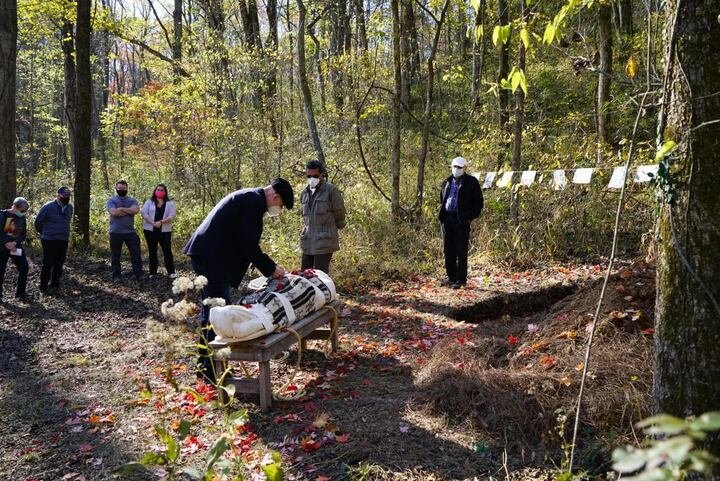
Before we look at how to comfort our Jewish friends when someone dies, we should stop and state Judaism itself is an expansive religion. Just like with Christianity, Islam, and most major world religions, there are many different ways to practice Judaism and many different ways to live out one’s beliefs. From orthodoxy to reformed jewish traditions, practices of Judaism are alive and flourishing in a variety ways.
For instance, our Associate Director, David Ponoroff, was raised in a reformed Jewish tradition and shares that in his tradition when someone dies it is comforting to say, “may their memory be a blessing.” This simple consolation is filled with love and empathy. It brings comfort to mourners and establishes that the memory of the deceased will continue to bless those around them through the remembrance of shared memories.
Orthodox Jewish traditions have customs and mourning phrases of their own. In the book, Consolation: A Spiritual Journey Beyond Grief, Rabbi Maurice Lamm, president of the National Institute for Jewish Hospice, writes that a traditional phrase of Orthodox Jewish consolation is, “may God console you among the other mourners of Zion and Jerusalem (translated from Hebrew: Ha’makom yenahem etkhem betokh she’ar avelei Tziyonvi’Yerushalayim).”
This phrase invites Jewish folks to seek consolation and comfort in God. Orthodox Jews practice this seeking through the Ha’makom; a prayer in which God becomes a place for mourning. In Hebrew, “‘Ha’makom’ translates simply as “The Place.” In it, God is referred to as ‘place’ because this space, “affirms stability, solid ground, rootedness–the opposite of ethereal.”
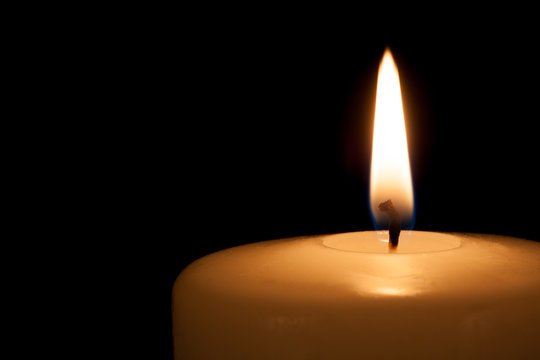
God as a place of mourning is especially helpful when thinking about the Jewish tradition of “sitting Shiva.” This is a traditional week-long mourning period in which lament is recognized and observed when someone in a Jewish family dies. The place where Shiva is observed becomes a time and space for healing; it is traditionally held in the home of the person who died, as the belief is this is where the spirit of the person will continue to dwell because this is where memory currently lives. You might remember from another blog where we discussed honoring grief, we mentioned the Jewish tradition of lighting a yahrzeit candle on the anniversary of a loved one’s death; the Shiva is where this candle is first lit. It’s sparked the first day and will continue to burn throughout all seven days of this mourning period
So, what can we say to our Jewish friends however they practice when someone they love dies? Use the language that is theirs—offering phrases like, “may their memory be a blessing,” shows that you want to support them in ways they understand. Other helpful and beautiful things you can say to your Jewish friend who is experiencing grief, are to simply ask what their loved one was like when they were alive, or what they loved about this person? What made them unique? What will they miss about this person? The Jewish tradition does not shy away from experiencing loss, and those who practice this religion do not believe grief should be avoided or suppressed. So, simply visiting your friend who is sitting Shiva, or taking a walk with your friend and asking, “what were they like?” can be a huge comfort in a time that is unspeakably hard for so many people.
We’ll be exploring more about what different religions say when someone dies, so keep an eye out for more of these blogs in the future. If you’d like to learn about how Larkspur can be a place for traditional Jewish burial, contact us. We’d love to speak with you.